Vesuvius: the most famous volcano in the world
Climb to the crater at 1000 metres and look down over the Bay of Naples: the experience that completes a visit to Pompeii.
The volcano that stopped time
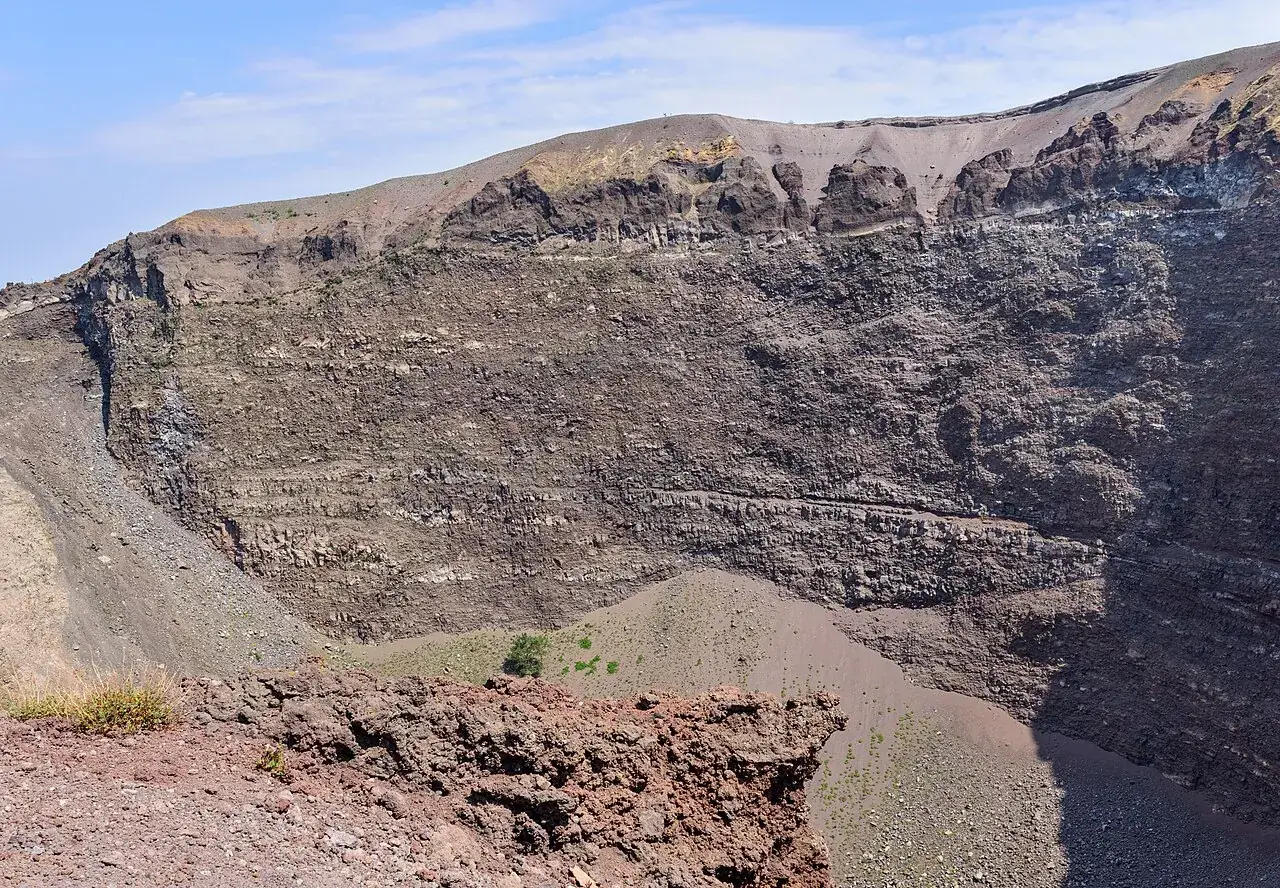
Vesuvius is the volcano that buried Pompeii and Herculaneum in 79 AD and stayed active through the centuries, its last eruption in 1944. Today it is a national park and its ascent is one of Italy's most visited trails.
The Gran Cono trail
The path to the crater starts at the 1000-metre point, reached by car or with seasonal services from Pompei and Ercolano. The Gran Cono trail climbs in about 30 minutes across lava flows and pioneer plants to the crater rim, where you look into the fumaroles and out over the entire bay.
Tips for the climb
Bring sturdy shoes, water and a light jacket even in summer: at the top the wind is strong and the temperature lower. Early morning gives the best conditions and the clearest skies over Naples and the coast.
Combining with Pompeii
The crater visit takes half a day and is the natural pairing with the ruins: the volcano in the morning, the buried city in the afternoon, with an overview no book can give.