The Vitiello guide
Pompeii and beyond, told the way we live it.
Twenty articles on what is worth seeing from Anna's Home: the ruins, Vesuvius, the bay, the coast and the art cities of Campania.
Recommended by your hosts at Anna's Home
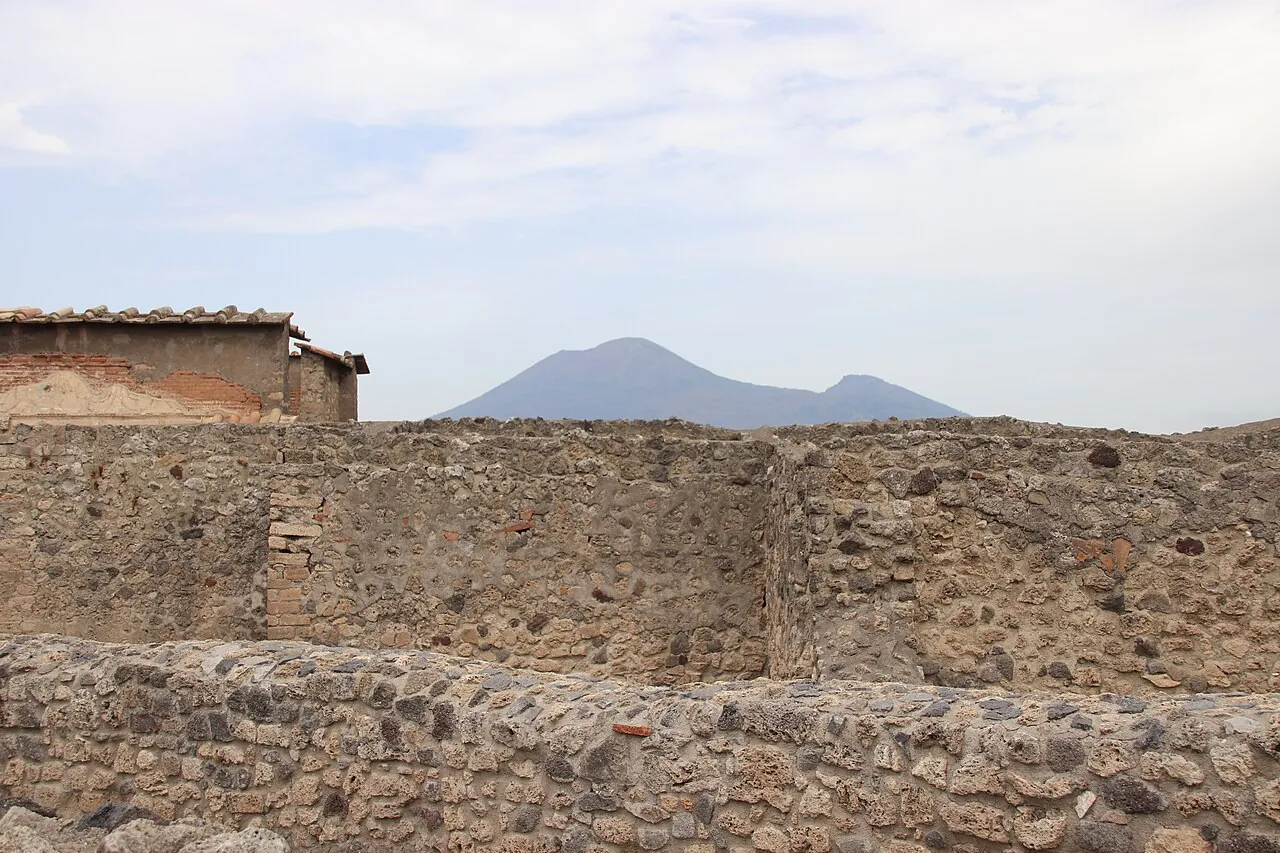
The Ruins of Pompeii: a city frozen in time
The Roman city buried by the eruption of 79 AD: Forum, baths, houses and amphitheatre, a few minutes' walk from the centre of Pompei.
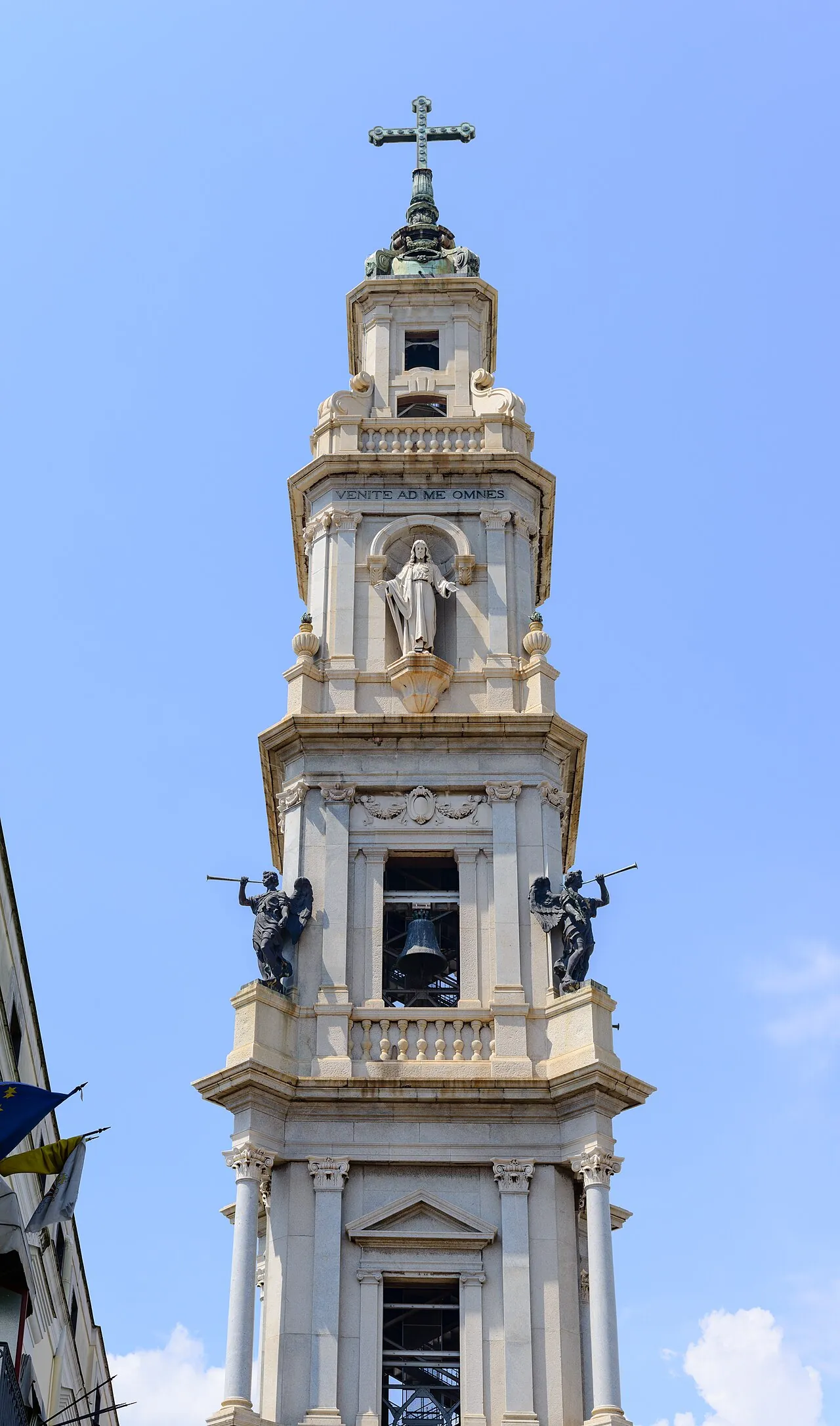
The Sanctuary of the Blessed Virgin of the Rosary
The great basilica founded by Bartolo Longo, the heart of pilgrimages to Pompei, steps from the town centre and the station.
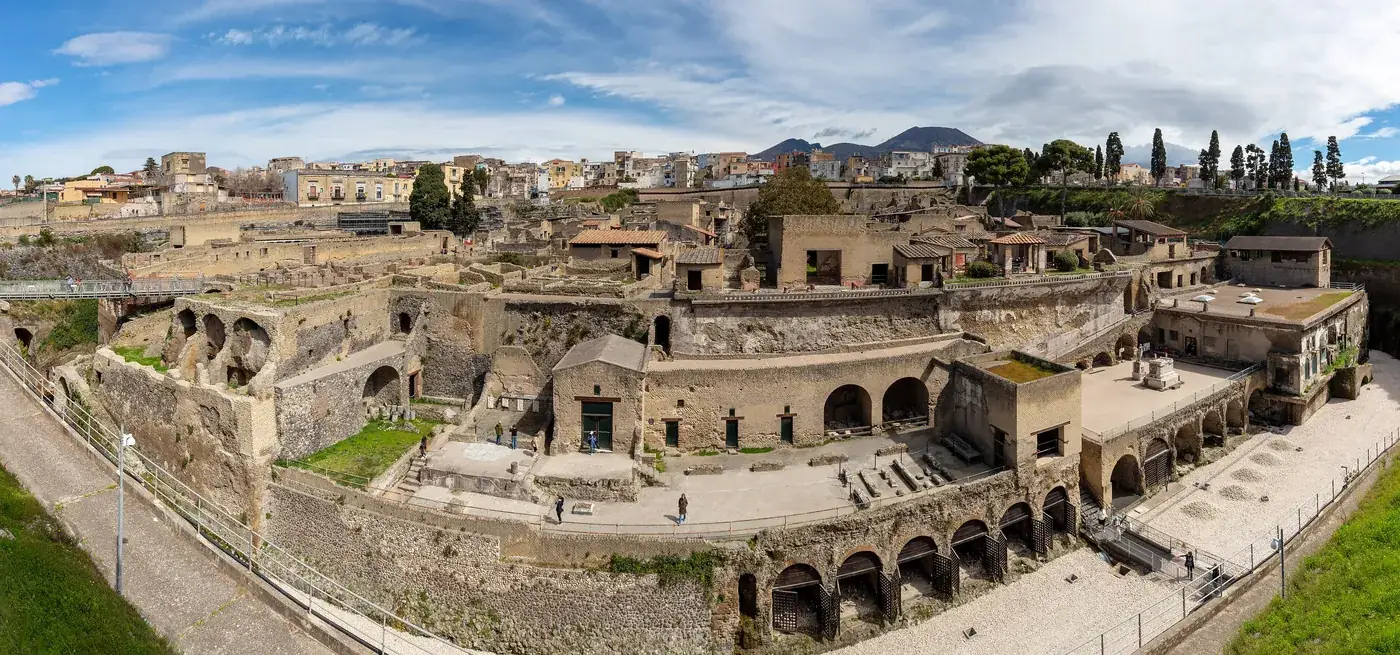
Herculaneum: the other Vesuvian city
About 20 minutes by train from Pompei, Herculaneum preserves wood, food and frescoes unique in the Roman world, sealed by the pyroclastic flow of 79 AD.
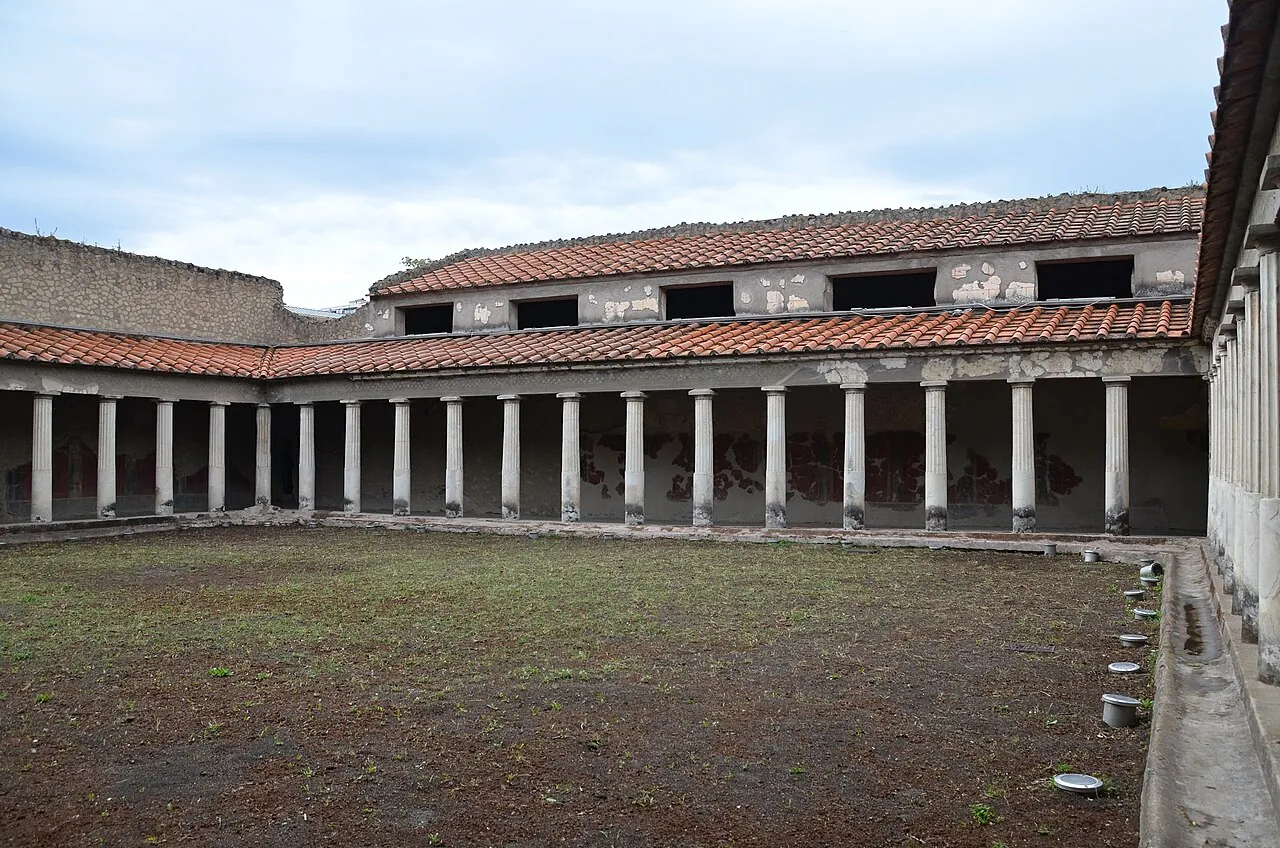
Oplontis and the Villa of Poppaea
In Torre Annunziata, a few minutes by train from Pompei, an imperial villa of otium with gardens and frescoes of outstanding quality.
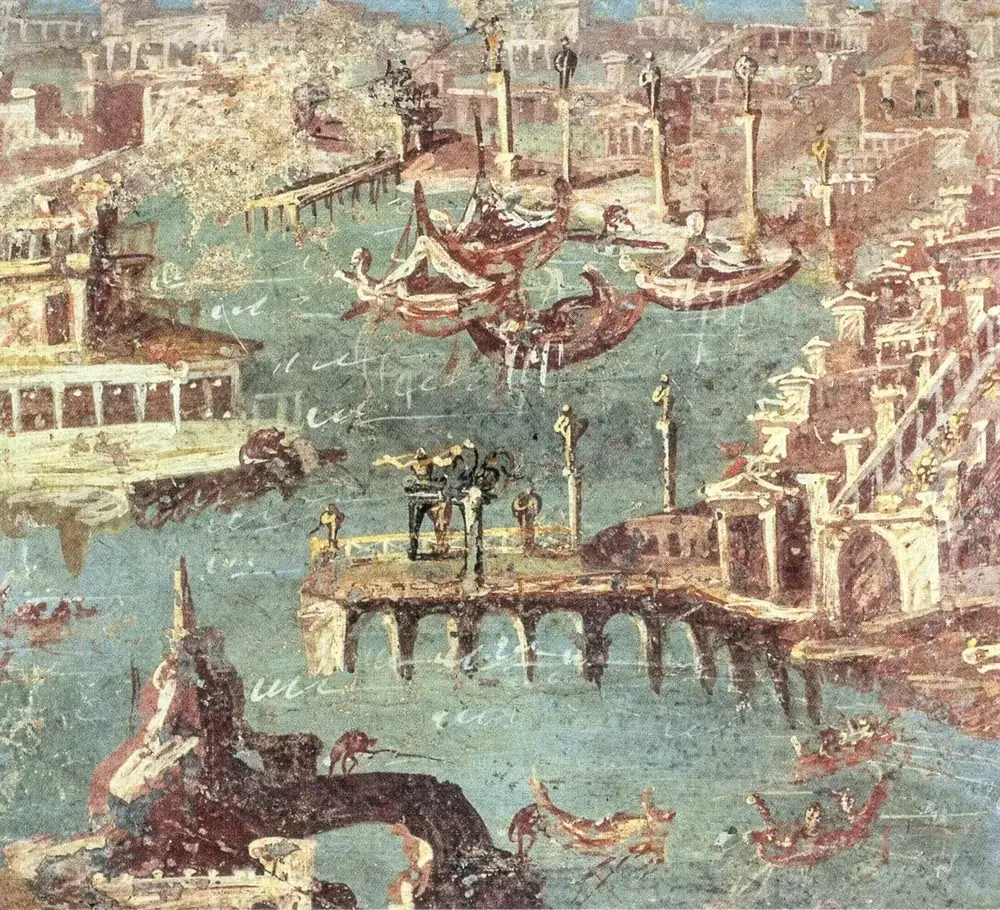
Stabiae: the villas of the coast
In Castellammare di Stabia, the patrician villas of Villa San Marco and Villa Arianna tell of Roman luxury on the hill above the gulf.
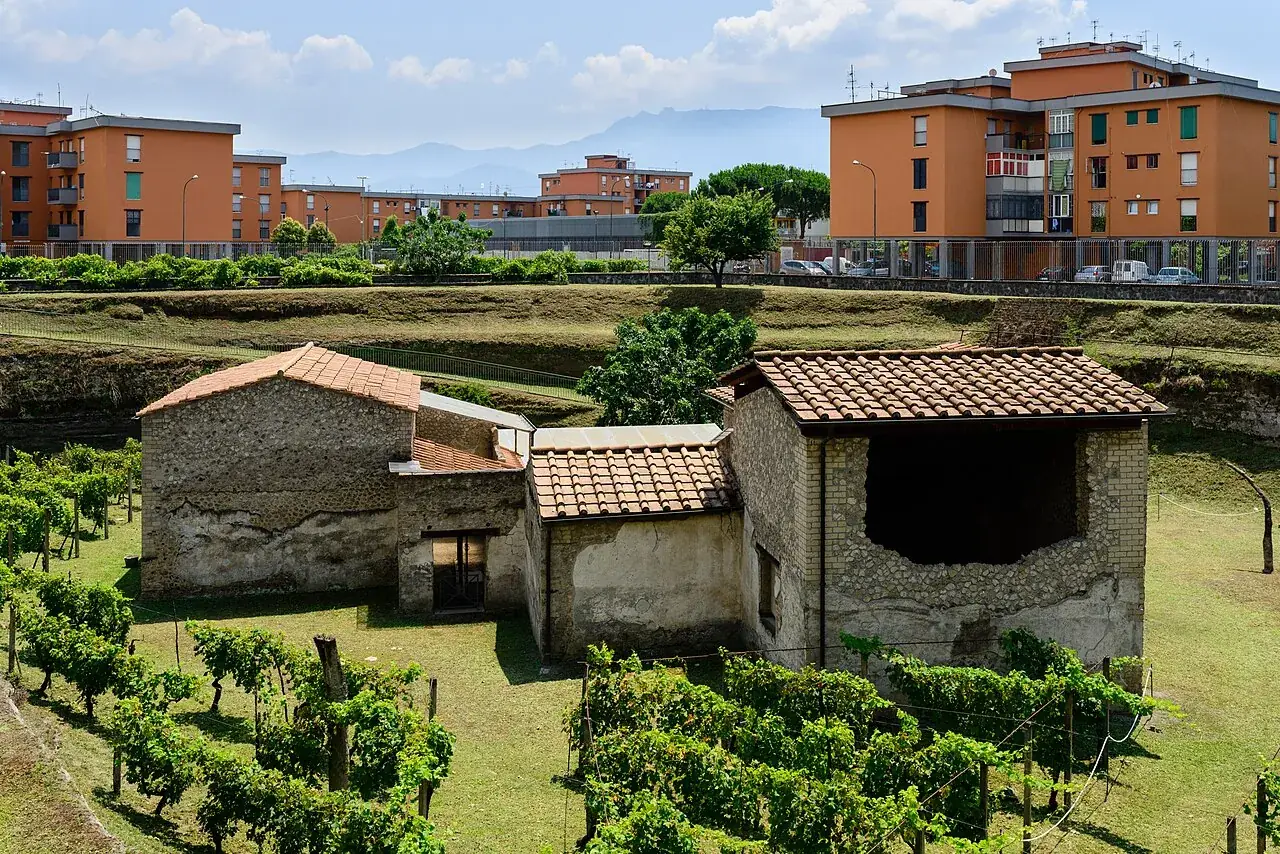
Boscoreale: the Roman countryside
The Antiquarium and Villa Regina show Vesuvian country life: vineyards, presses and tools as they were two thousand years ago.
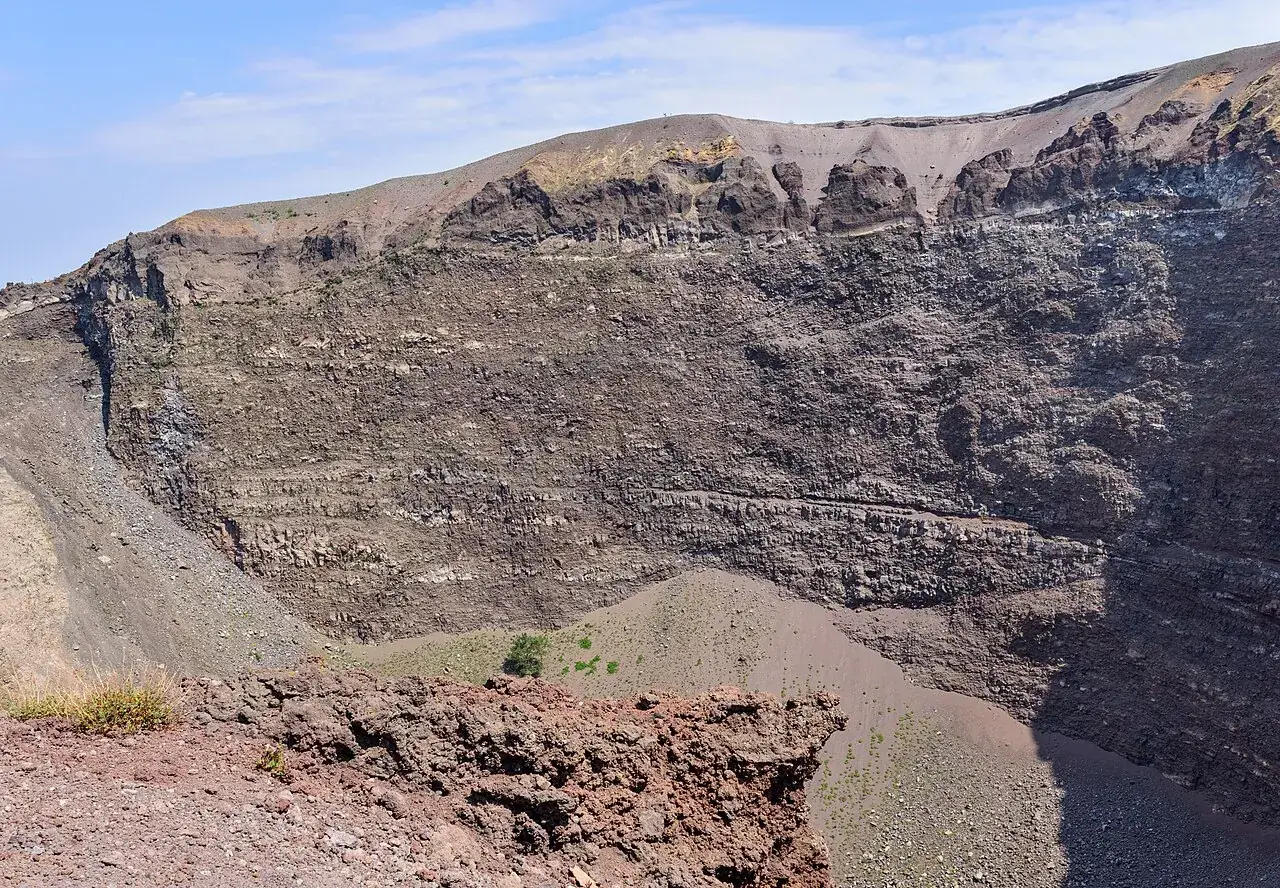
Vesuvius: the most famous volcano in the world
Climb to the crater at 1000 metres and look down over the Bay of Naples: the experience that completes a visit to Pompeii.

The flavours of Vesuvius: wine, tomatoes and pizza
Lacryma Christi, Piennolo cherry tomatoes, Vesuvian apricots and Neapolitan pizza: a journey through the food of the territory.
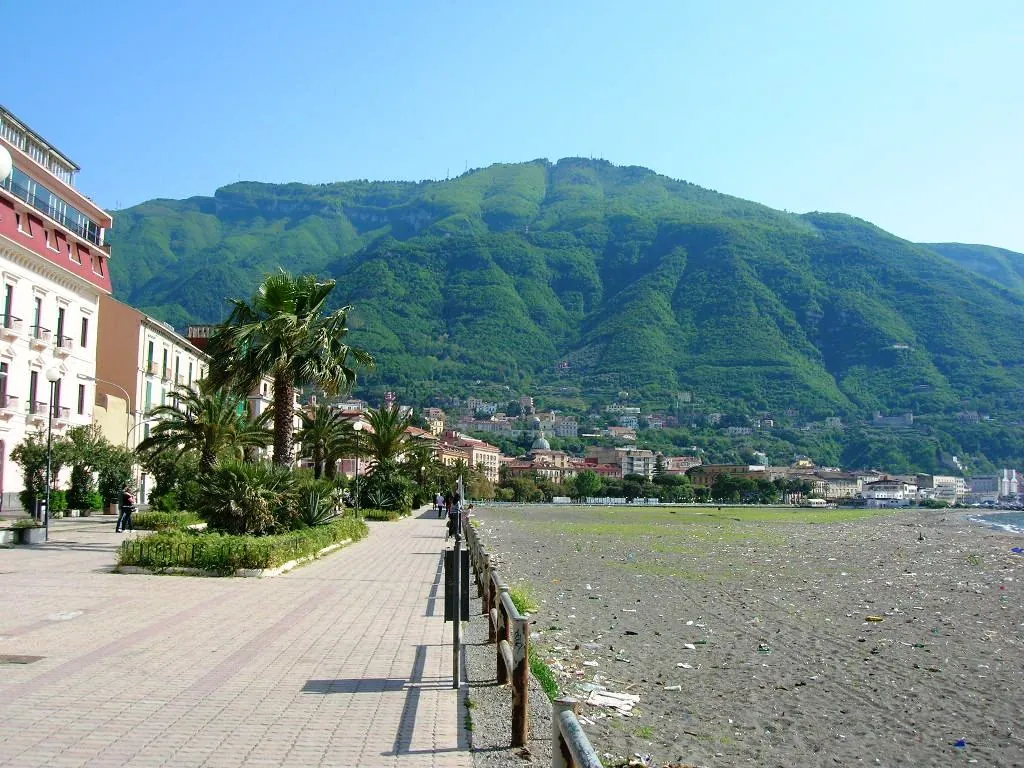
Monte Faito: the balcony over the gulf
At 1131 metres, among beech woods and panoramic trails, Monte Faito looks down on Naples, Capri and the Amalfi coast.
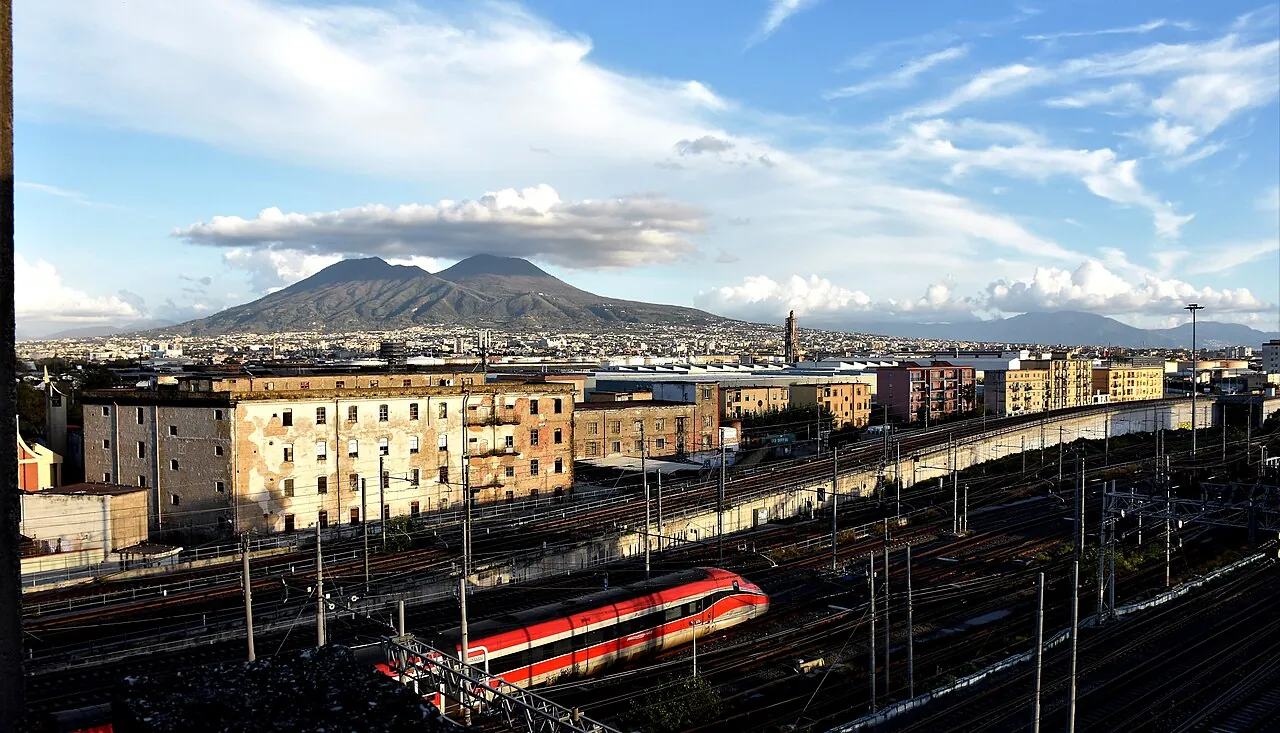
Naples: a day in Italy's most alive city
About 40 minutes by train from Pompei, Naples combines history, art, sea and the world's best pizza in one chaotic masterpiece.
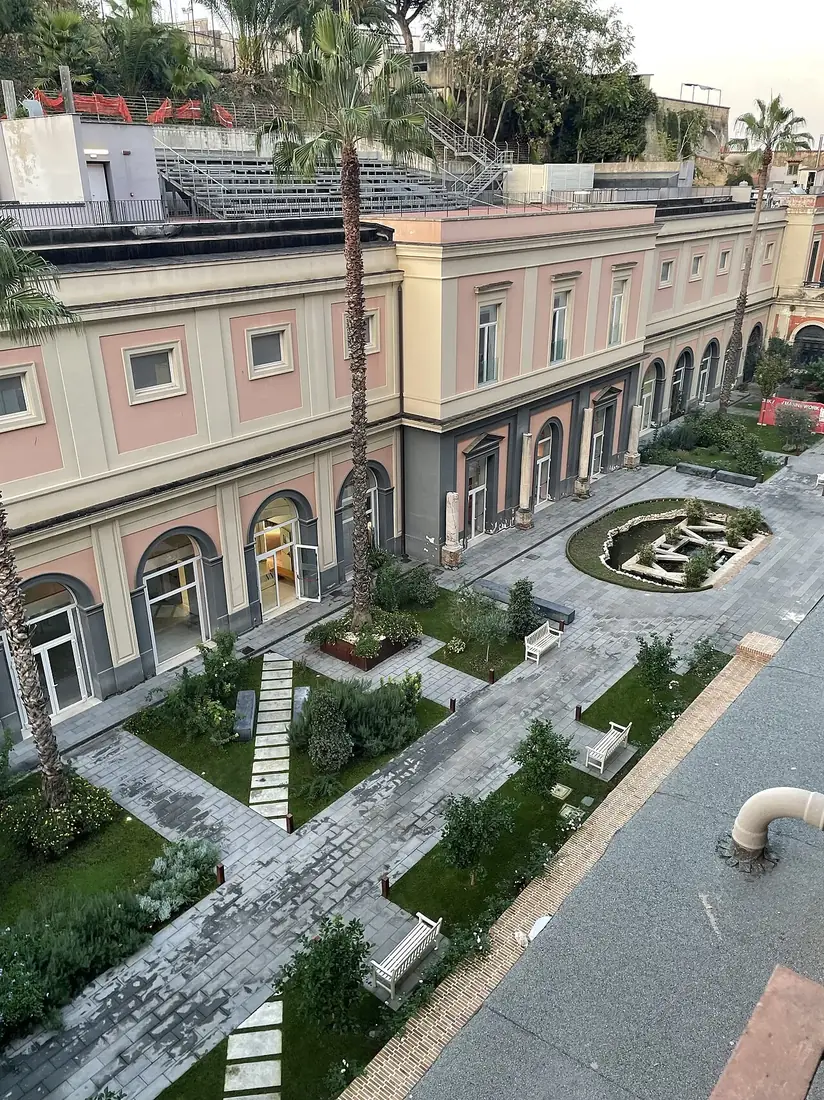
The Archaeological Museum of Naples: the Vesuvian treasure
Mosaics, frescoes, silver and the Herculaneum papyri: the MANN keeps the best-preserved works of the Roman world.
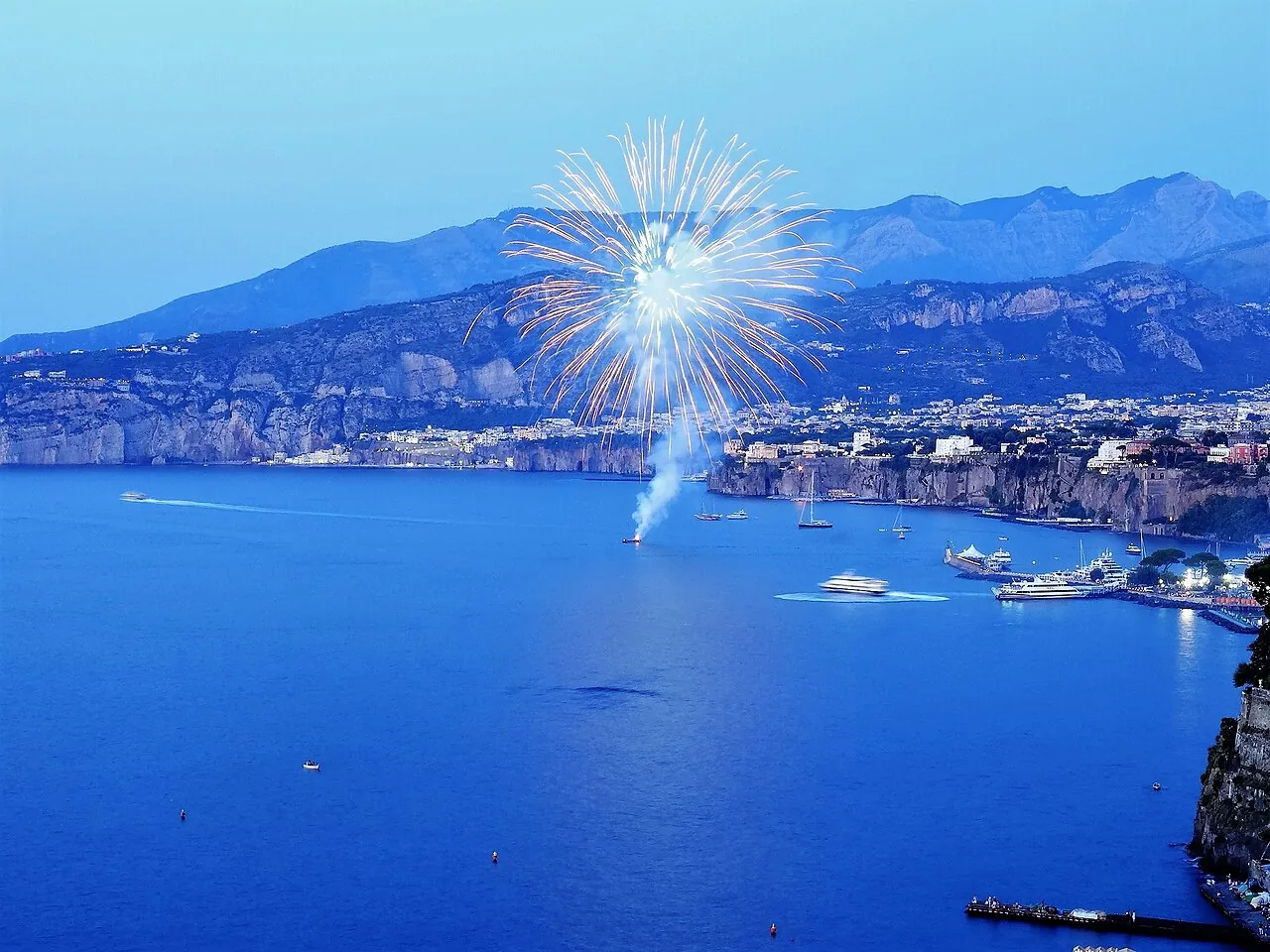
Sorrento: the city of lemons above the sea
About 40 minutes by train from Pompei, Sorrento faces the gulf from a tuff terrace: piazzas, gardens, limoncello and sunsets.
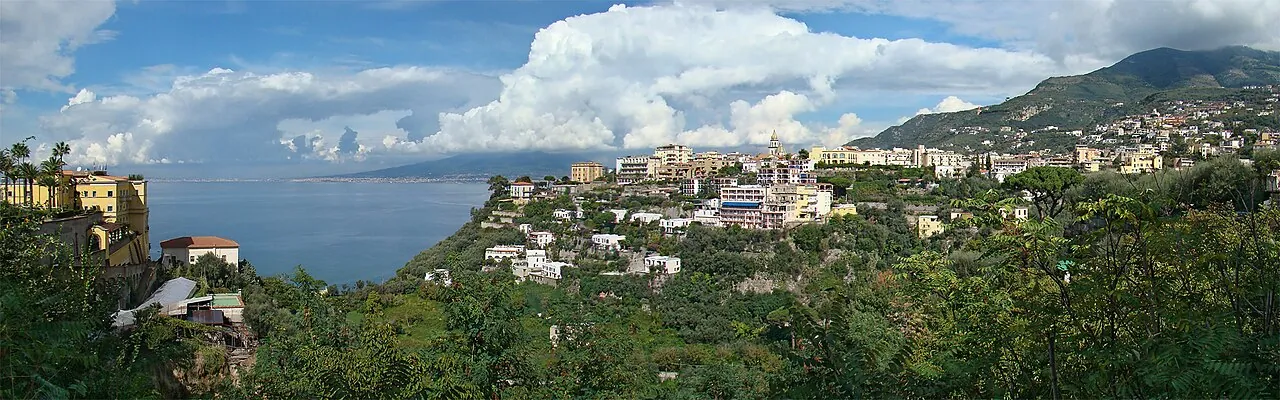
Vico Equense: the pizza a metro village
Between Sorrento and Castellammare, Vico Equense combines a cathedral, viewpoints over the gulf and the famous pizza a metro.
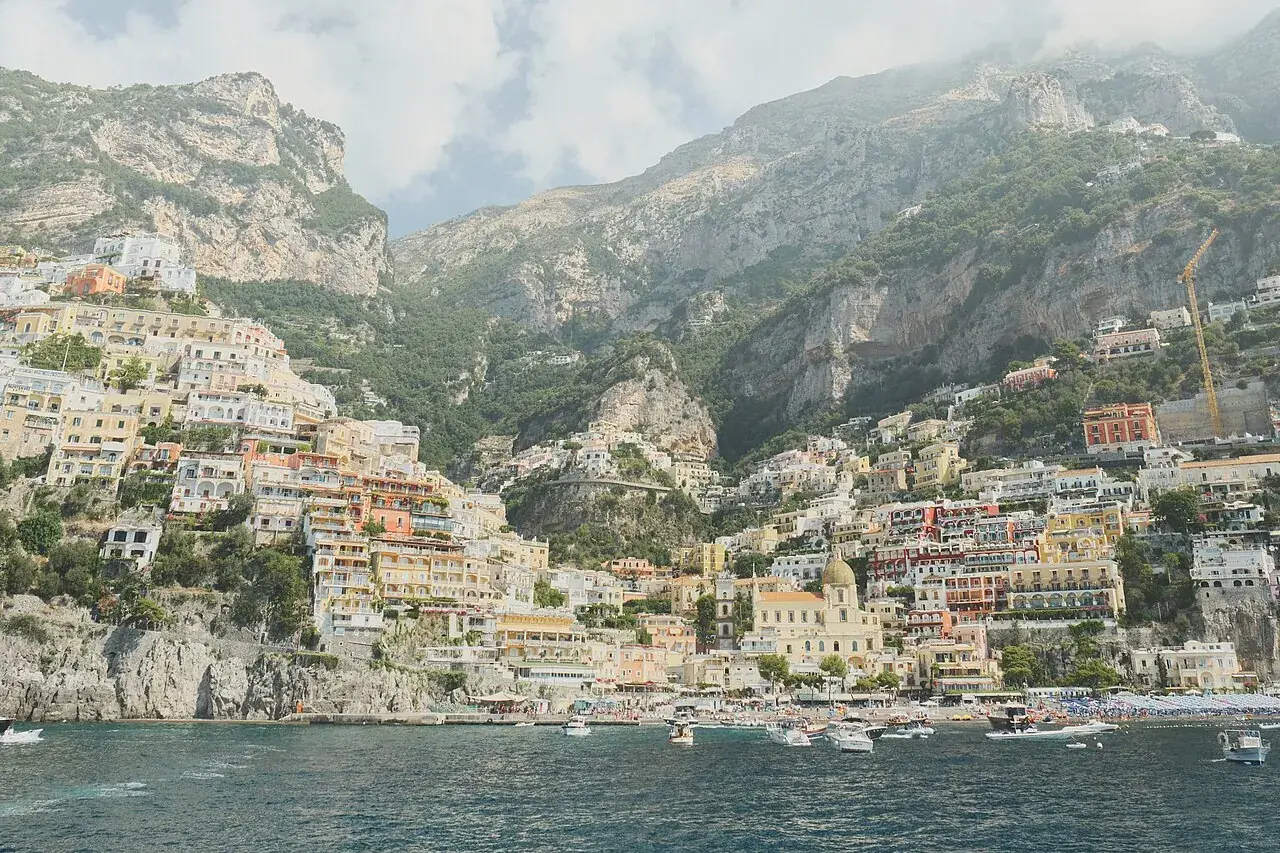
Positano: the vertical pearl of the coast
Painted houses stepping down to the sea, the beach and alleys full of fashion and craft: the most famous stretch of the Amalfi coast.
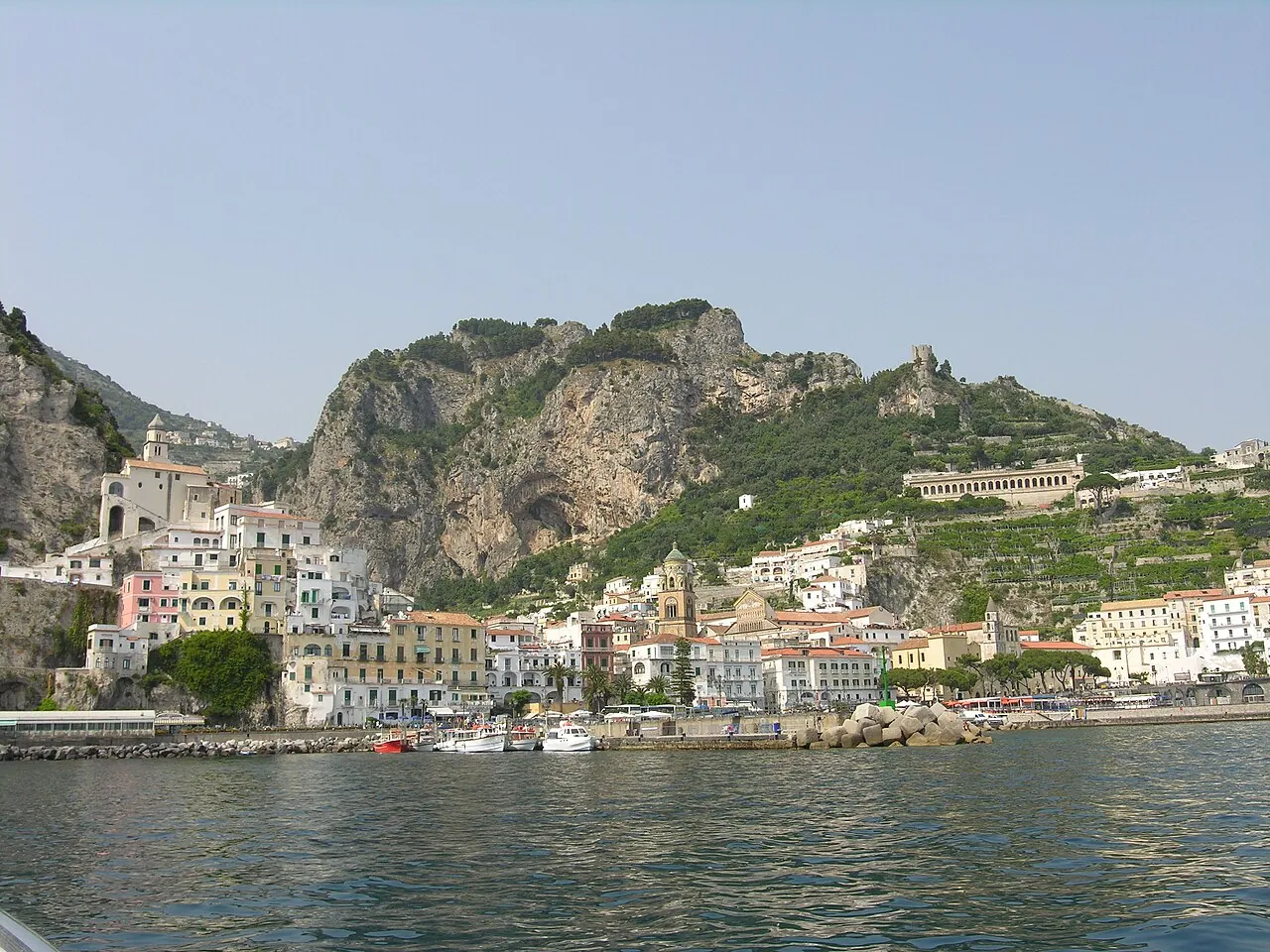
Amalfi: the maritime republic
An ancient maritime republic, Amalfi surprises with its Arab-Norman cathedral, the Cloister of Paradise and alleys full of paper and lemons.
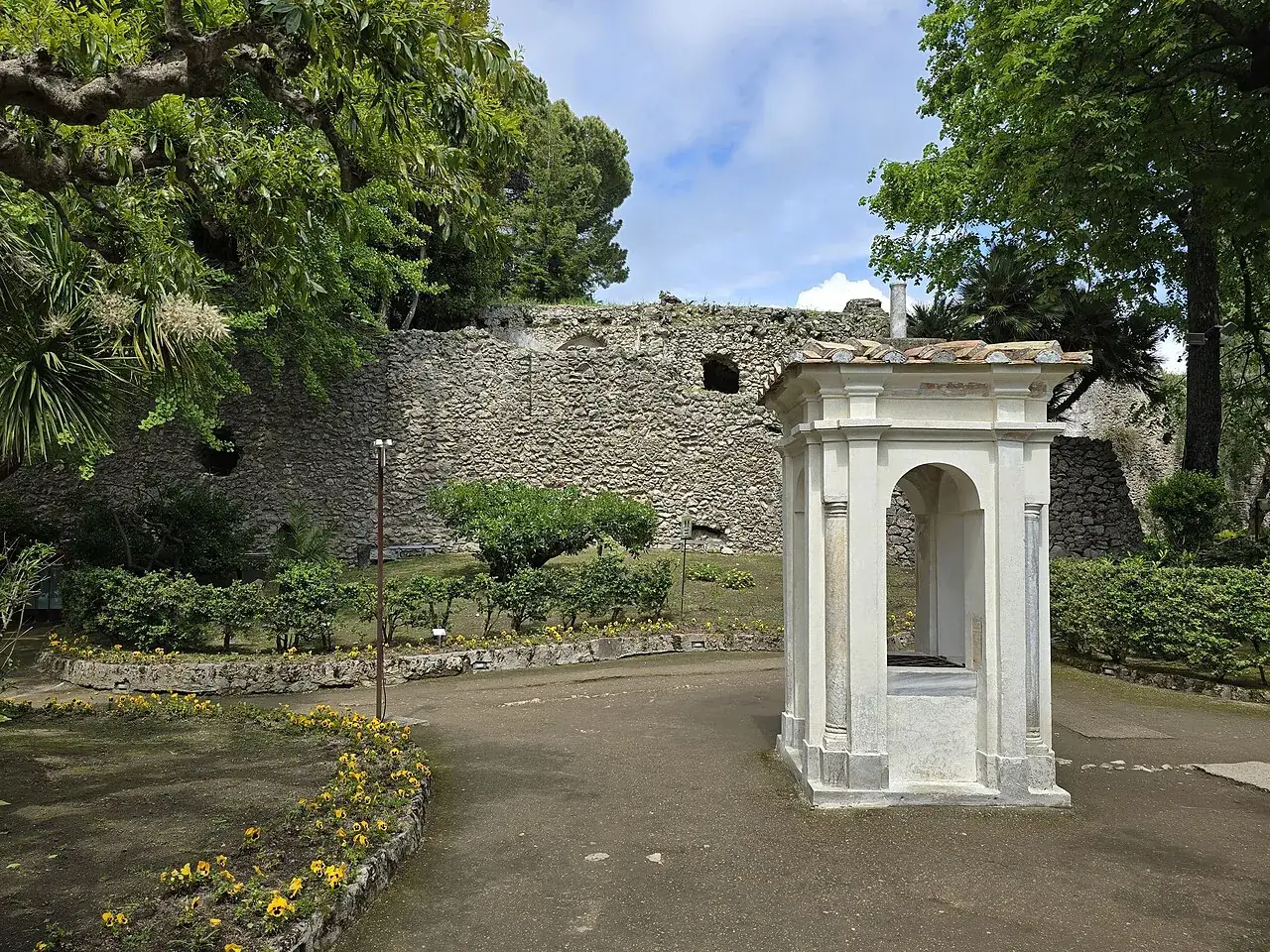
Ravello: the terrace over the sea
Above Amalfi, Ravello looks down on the sea with Villa Rufolo, Villa Cimbrone and the music of its summer festival.
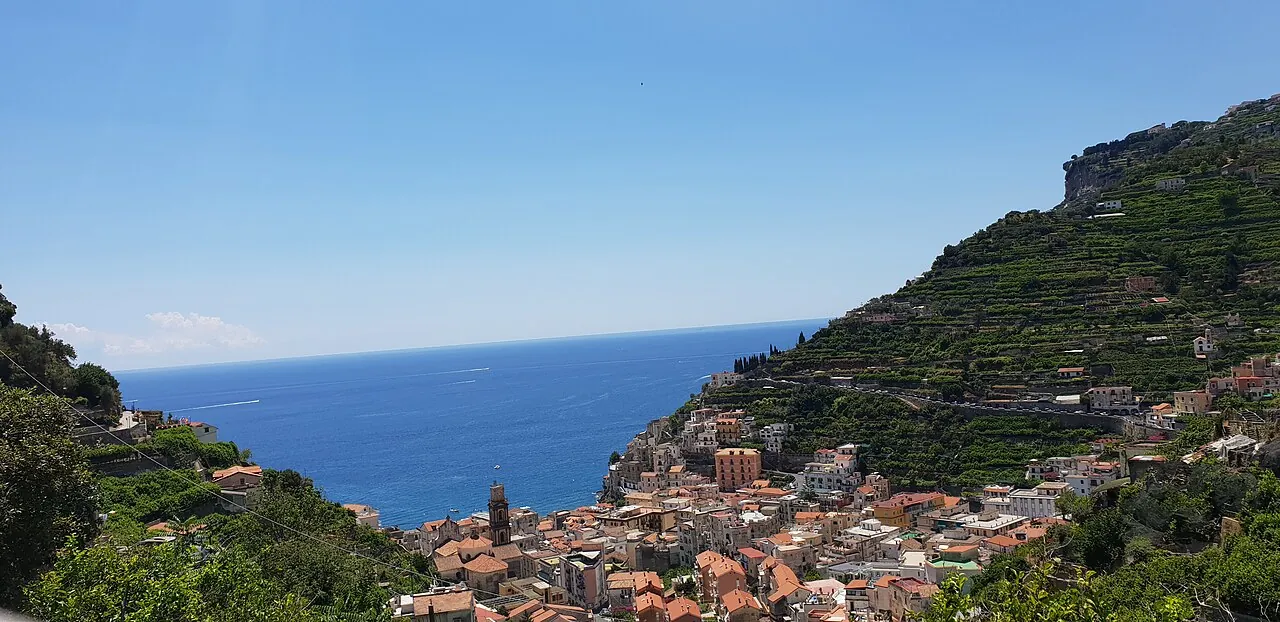
Minori: the city of taste
The Amalfi coast at its calmest: a Roman seaside villa, handmade pasta and the sweets that made the village famous.
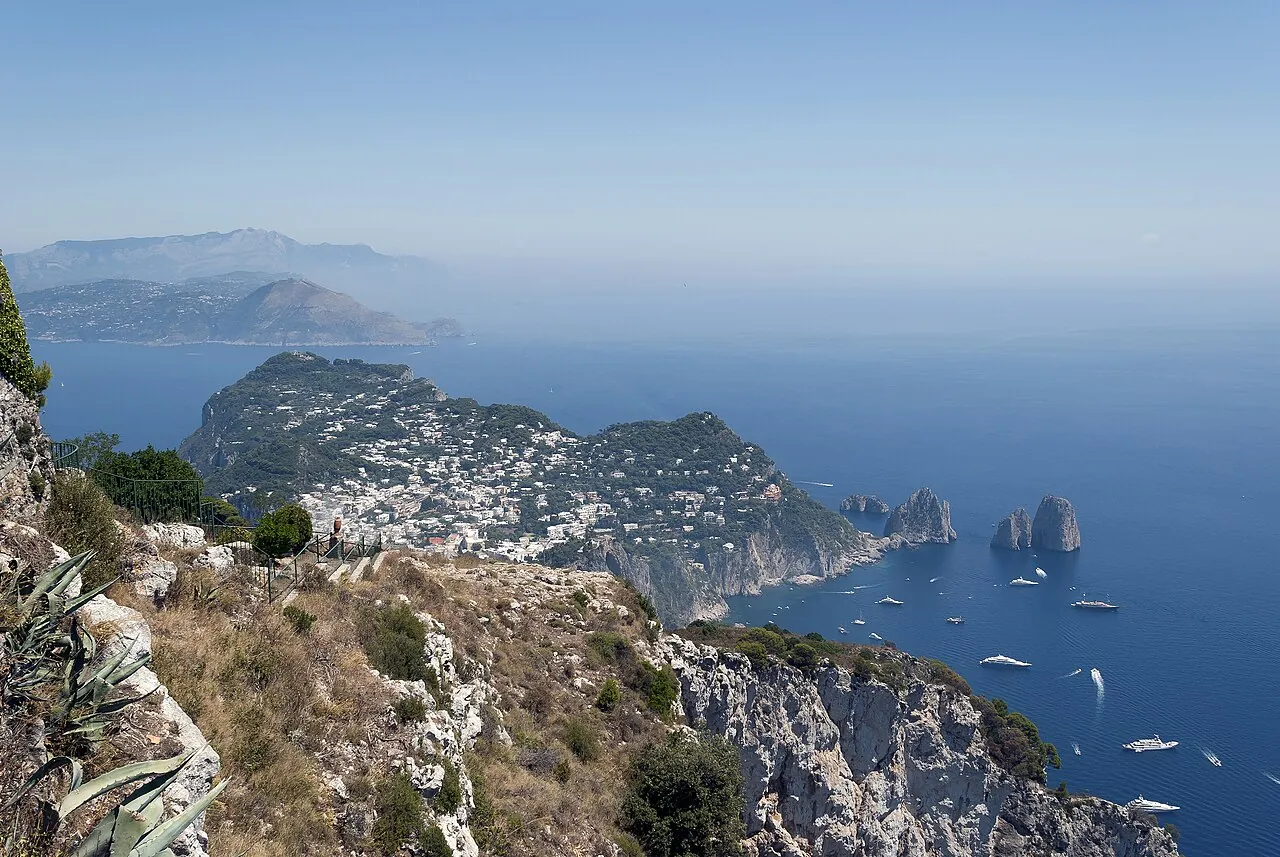
Capri: the island of the Faraglioni
The Faraglioni rocks, the Blue Grotto, the Piazzetta and the Gardens of Augustus: the Mediterranean's most famous island, a ferry from Sorrento.
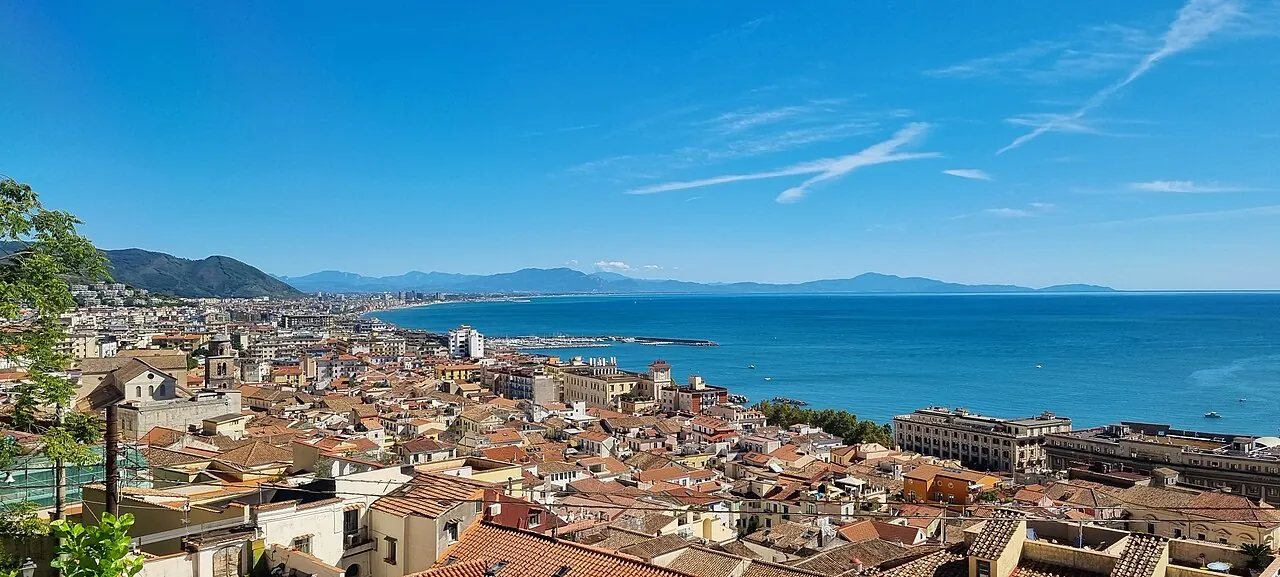
Salerno: the city of the cathedral and the long seafront
Eastern gateway to the coast, Salerno combines the cathedral with St Matthew's tomb, historic gardens and one of Italy's longest seafronts.
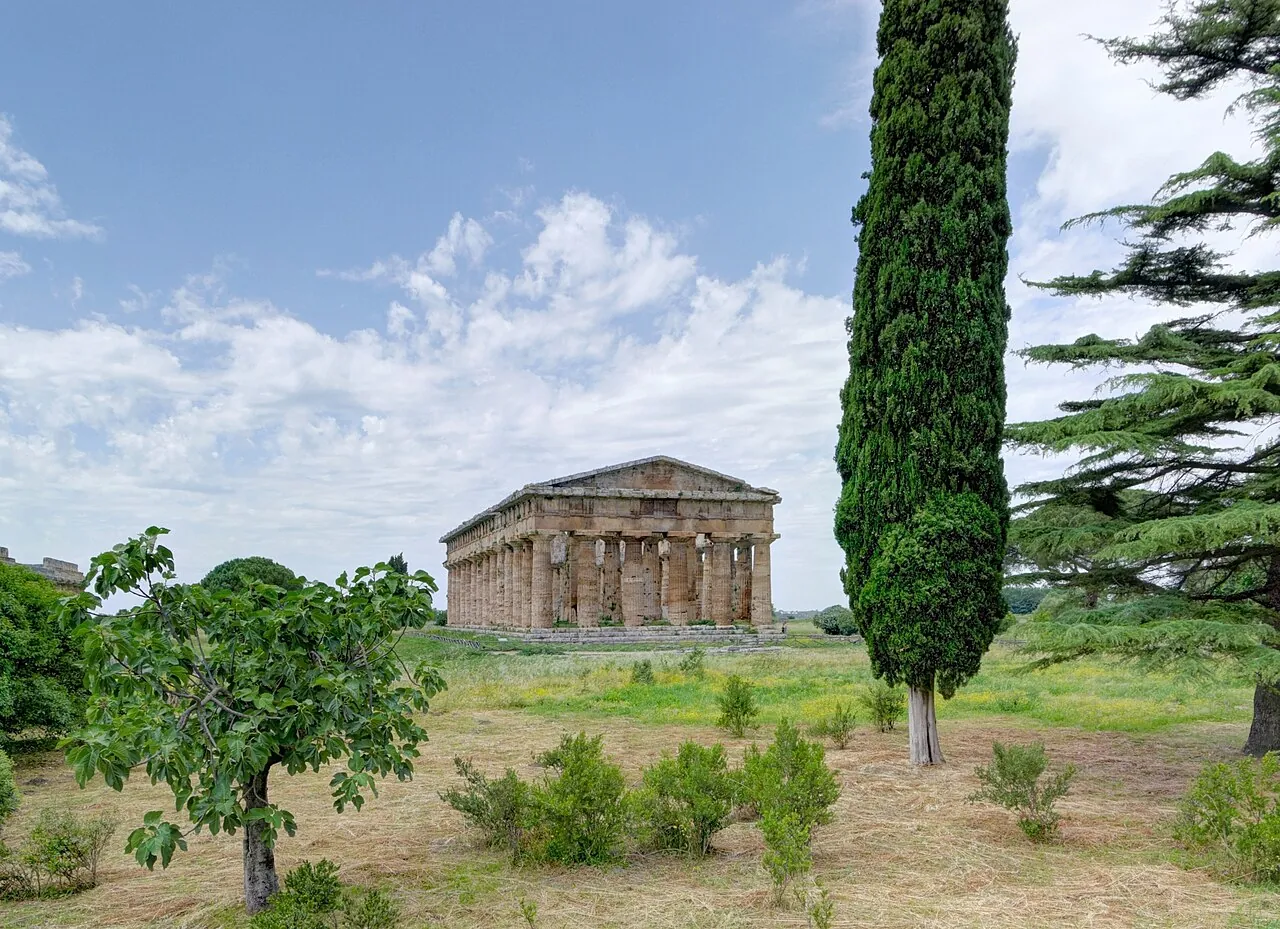
Paestum: the best-preserved Greek temples
About an hour by train from Pompei, three Doric temples amid camellia groves: the truest Greece in Italy.